


6 Misconceptions About Red Light Therapy Debunked
There are plenty of myths and misconceptions when it comes to red light therapy, including professional treatments always being better than at home, red light burning the skin, and all red light therapy devices being made equal. Here’s what you really need to know about those statements.
- 01 What Is Red Light Therapy?
- 02 Red Light Therapy Misconception #1: All Light Is the Same Light
- 03 Red Light Therapy Misconception #2: All Red Light Devices Are the Same
- 04 Red Light Therapy Misconception #3: At-Home Devices Are Not as Good as Professional Devices
- 05 Red Light Therapy Misconception #4: Red Light Therapy Burns the Skin Easily
- 06 Red Light Therapy Misconception #5: Red Light Therapy Is Only Good For Skin Health
- 07 Red Light Therapy Misconception #6: More Red Light Means Better Results
- 08 Frequently Asked Questions
Despite red light therapy being an excellent, studied technology, it’s one of the topics with the most misconceptions and myths surrounding it. In order to help you get the very best from your red light therapy device, we’ve gathered the most common misconceptions swirling around the industry and debunked them one by one.
What Is Red Light Therapy?

Red light therapy (RLT) is a type of photobiomodulation and is commonly known as low-level light therapy. It’s used to give non-invasive, therapeutic benefits to the skin by delivering specific wavelengths of light. These wavelengths work at an optimal level — something called the biphasic dose response, which we’ll go into depth on later — to improve the appearance of your skin.
When wavelengths at the optimal range are used, they stimulate the mitochondria (the powerhouse of the cells) to produce something called adenosine triphosphate (ATP) [1]. When ATP is produced, our cellular processes in the body are powered up to help with optimal function and repair. Visibly, this shows up as healthier skin with an increase in collagen production, lowered inflammation, and in some cases, improved skin tone.
Red Light Therapy Misconception #1: All Light Is the Same Light
One of the biggest red light therapy misconceptions is that all light is the same. Technically, all light is similar as they’re all part of the same electromagnetic spectrum. However, they all differ based on the energy and wavelength of the light, which determines whether it’s ‘good’ light, such as red light or light you should be cautious around, such as UV light.
UV light (emitted from the sun) has a non-visible, short wavelength and high energy, it can cause acute sunburn, and the cumulative impact on our skin causes DNA damage, which accelerates skin ageing and can cause skin cancer. We do need UV light to help with our biological functions, such as keeping our circadian rhythm in check, but we can protect ourselves from the sun while still benefiting from it.
Red light is visible with long wavelengths and lower energy, which can have therapeutic benefits and doesn’t pose a risk to our health as UV light does.
However, not all red light is the same. Red light therapy devices need to be at an optimal level to get the benefits without going past the threshold for too much light, which can actually inhibit benefits. It’s important to look for optimal wavelength, in addition to other features that separate the good from the disappointing red light therapy devices out there.
Red Light Therapy Misconception #2: All Red Light Devices Are the Same

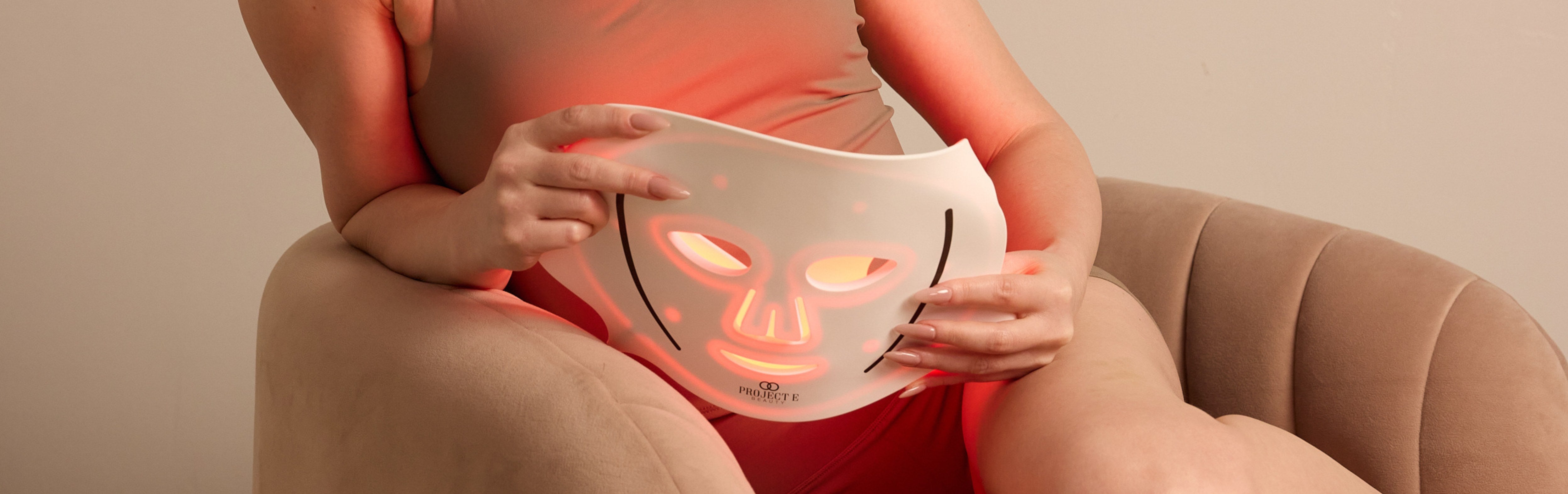
Plenty of factors play into how good a red light therapy mask is and the benefits you’ll get from each. There are a number of things to consider when investing in a red light therapy device.
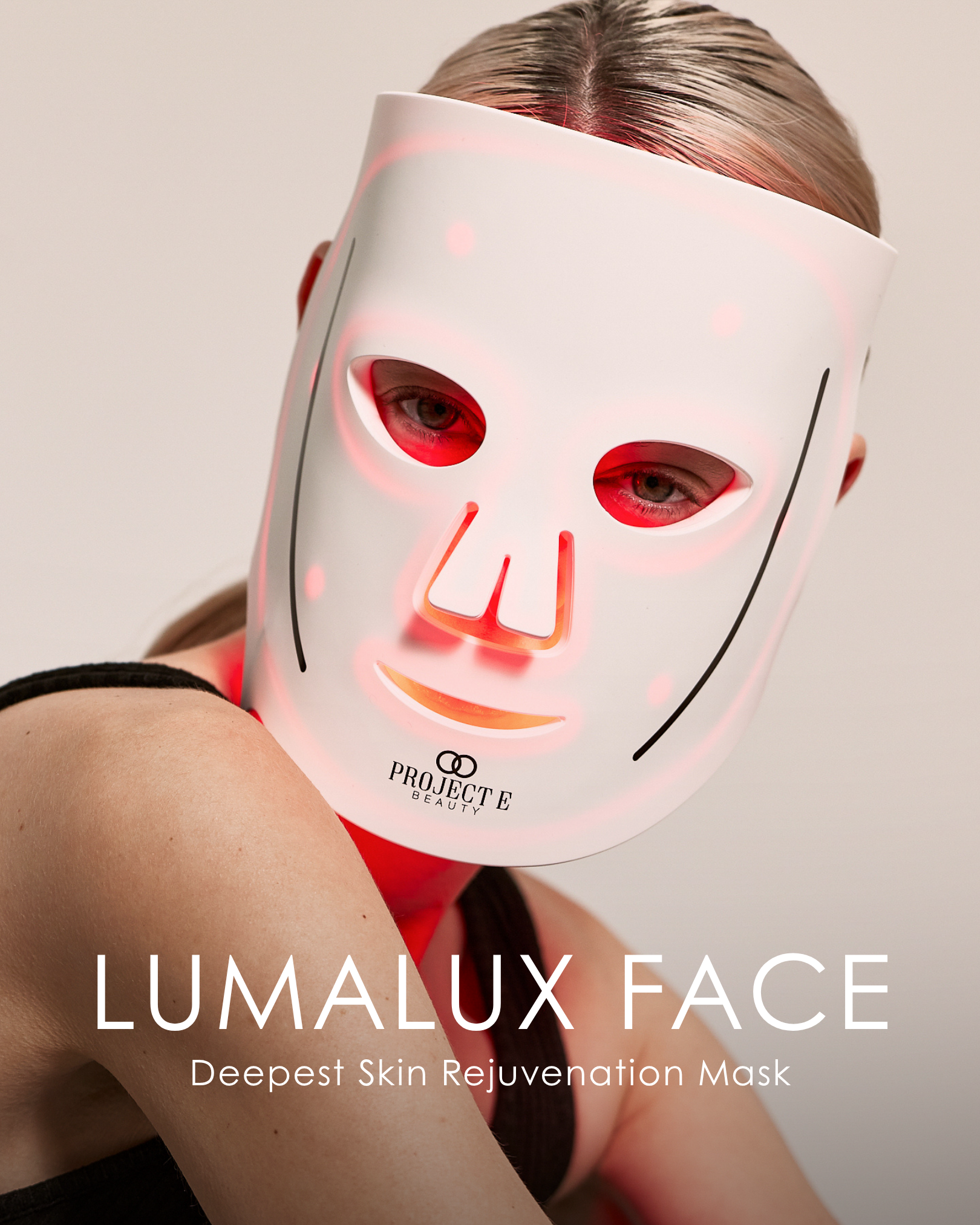
Wavelength is one of the most important things to take into account when investing in a red light therapy device. The Lumalux has wavelengths between (460-1072nm) across 7 colour settings, with red being 630nm and 850nm for infrared and 1072nm for deep infrared — a powerful combination.
Irradiance is the power density or strength of the LED, which is measured in milliwatts per cm squared. This, coupled with how densely packed the bulbs are determines how powerful your device is. The LumaLux Face and LumaLux Face+ Devices have a power density of 30mW per cm2, with the Face+ featuring a staggering 1,600 LEDs.
That brings us on to the number of bulbs. Many brands only have around 100 bulbs (or fewer), meaning the power density isn’t as great, nor will the results be. The LumaLux Face has 800 LEDs, which is 400% more LEDs than the industry average! And, as previously mentioned, the Face+ has 1,600.
Last (but not least) is comfort — an often-forgotten factor when it comes to investing in a red light therapy mask. If it’s not comfortable to wear, then you’re unlikely to wear it, which obviously isn’t going to yield good results. It’s also important that the fit is secured to ensure maximum zone coverage (not leaving out any pitches) and is close enough to the skin to be effective.
Red Light Therapy Misconception #3: At-Home Devices Are Not as Good as Professional Devices
When it comes to at-home vs professional red light devices, two of the most important things to consider are:
-
- Wavelength strength
- Consistency
Not all red light devices are created equal. Wavelengths, number of bulbs, irradiance and comfort all factor into how effective a device is and therefore how good the results are. If the at-home mask you’re using has the optimal level of light, then you’re going to get its rewards, but if it’s one of the less effective masks, then you won’t see the same benefits as professional treatments.
Professional-grade RLT devices often have larger panels, which get more zone coverage and can give more total energy delivered. Because of the biphasic dose response, more power doesn’t mean you’re going to get a better or quicker result [2].
Someone using an RLT device at home correctly and consistently, in addition to following a science-backed skincare routine, is often going to yield better results than someone who uses professional treatments as a ‘quick fix’.
Red Light Therapy Misconception #4: Red Light Therapy Burns the Skin Easily

Since red light therapy does not behave like UV light (it carries much more energy), it doesn’t burn your skin because it interacts with the molecules in the skin differently — provided you use it as instructed. Red light has a longer wavelength and lower energy, which can influence signaling pathways. Sometimes, low level light therapy is used for burn recovery [3].
You’re always going to get the best outcome by sticking to the recommended usage, as that’s how the device has been tested for best results. More doesn’t mean better results when it comes to red light. When scientifically proven and safe red light therapy devices are used, they’re incredibly effective and aren’t dangerous.
Red Light Therapy Misconception #5: Red Light Therapy Is Only Good For Skin Health
When we talk about ‘improved’ skin often what we’re actually referring to is skin health. Healthy skin not only behaves better, but it then actually makes our skin look better, which is where we see the most benefits.
When it comes to fine lines, wrinkles and sun damage, since UV exposure is the main culprit, keeping skin healthy by avoiding sun exposure, having a good skincare routine and using scientifically proven devices, like red light therapy, is one of the best ways to keep it looking healthy.
The same goes for inflammation. Highly stressed, inflamed skin means that the skin barrier isn’t functioning as it should, and therefore, your skin isn’t in an ideal state of health. Balancing this through considered skincare and regular light therapy can help restore this and keep inflammation to a baseline, which improves its appearance. This is where red light therapy comes into play as a great tool for wound healing.
Infrared light can also help with recovery, which goes beyond surface-level skin health. It can help with muscle recovery and even joint pain in some.
Red Light Therapy Misconception #6: More Red Light Means Better Results
There can be too much of a good thing when it comes to red light therapy. The optimal window is where the red light works on influencing your cells to repair more efficiently and keep inflammation at a baseline, meaning your skin looks and behaves healthier. This is because red light follows the biphasic dose response, which we touched on earlier. This essentially means that it has an optimal window of efficacy; anything under that (for example, only using the mask 1 a week for 30 seconds) and anything beyond that (for example, using it three times a day for 30 minutes at a time) and you won’t see results, and could even be detrimental to your skin. In short: just don’t overdo LED usage.
Frequently asked questions
1. How does it actually work?
It uses safe, low-wavelength red and near-infrared light to penetrate your skin. This light stimulates the mitochondria (your cells' powerhouses) to produce more energy, allowing your cells to repair themselves faster and reduce inflammation.
2. What are the main benefits?
While not a magic cure-all, it is scientifically proven to help with:
- Skin health: Boosting collagen to fade wrinkles and scars.
- Pain relief: Easing muscle soreness, joint stiffness, and arthritis.
- Healing: Accelerating recovery from minor wounds and sports injuries.
3. Is it safe to use every day?
Yes, it is highly safe. It contains no harmful UV rays and doesn't burn. Most experts recommend following the manufacturer's instructions. Using it multiple times a day won't speed up results—your cells can only absorb so much light at once.

LumaLux Face | Pro LED Red Light Therapy Mask
Our most advanced LED mask for deeper skin renewal - fine lines, acne, hyperpigmentation, skin texture

Alora | Age Renewal LED Light Therapy Panel
Target up to 5 skin layers with advanced blue, infrared and red light therapy contour panel


Leave a comment
This site is protected by hCaptcha and the hCaptcha Privacy Policy and Terms of Service apply.