



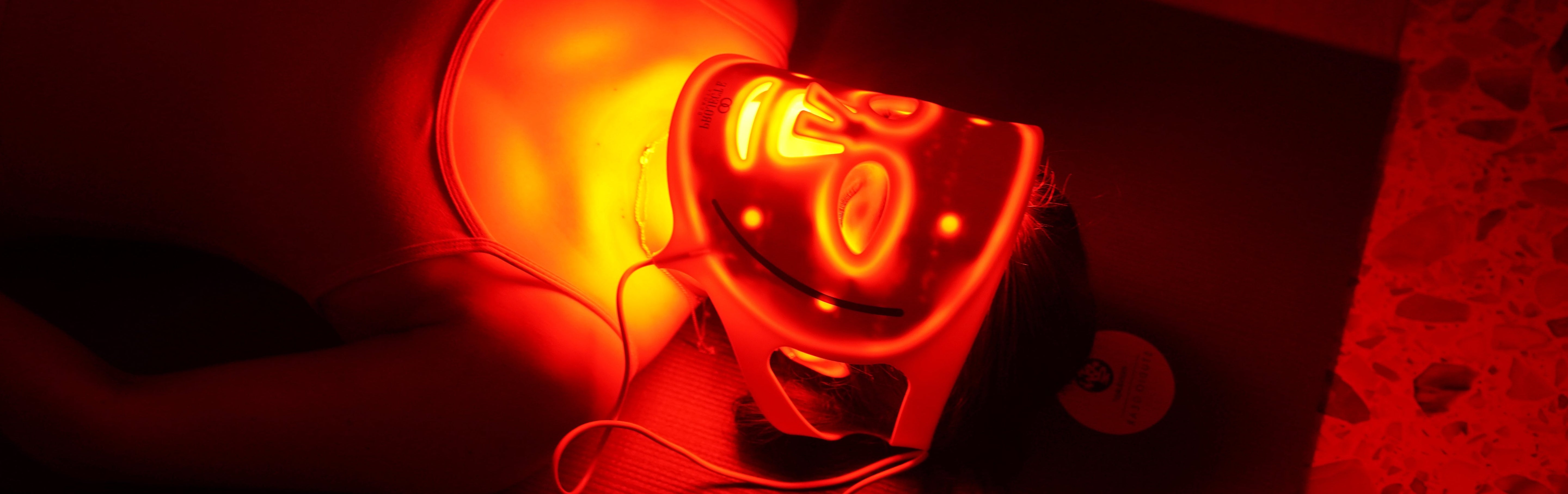
Can Red Light Therapy Support Athlete Recovery?
From inflammation, tissue repair and muscle soreness, here is everything to know about red light therapy and recovery support for sports injuries.
IN THIS ARTICLE
- 01 What Is Red Light Therapy?
- 02 What Are the Benefits of Red Light Therapy on Sports Injuries?
- 03 The Best RLT Devices for Sports Recovery
- 04 Are There Side Effects to Using Red Light Therapy on Injuries?
- 05 How Frequently Should You Use Red Light Therapy on Injuries?
- 06 Who Should Avoid RLT on Injuries?
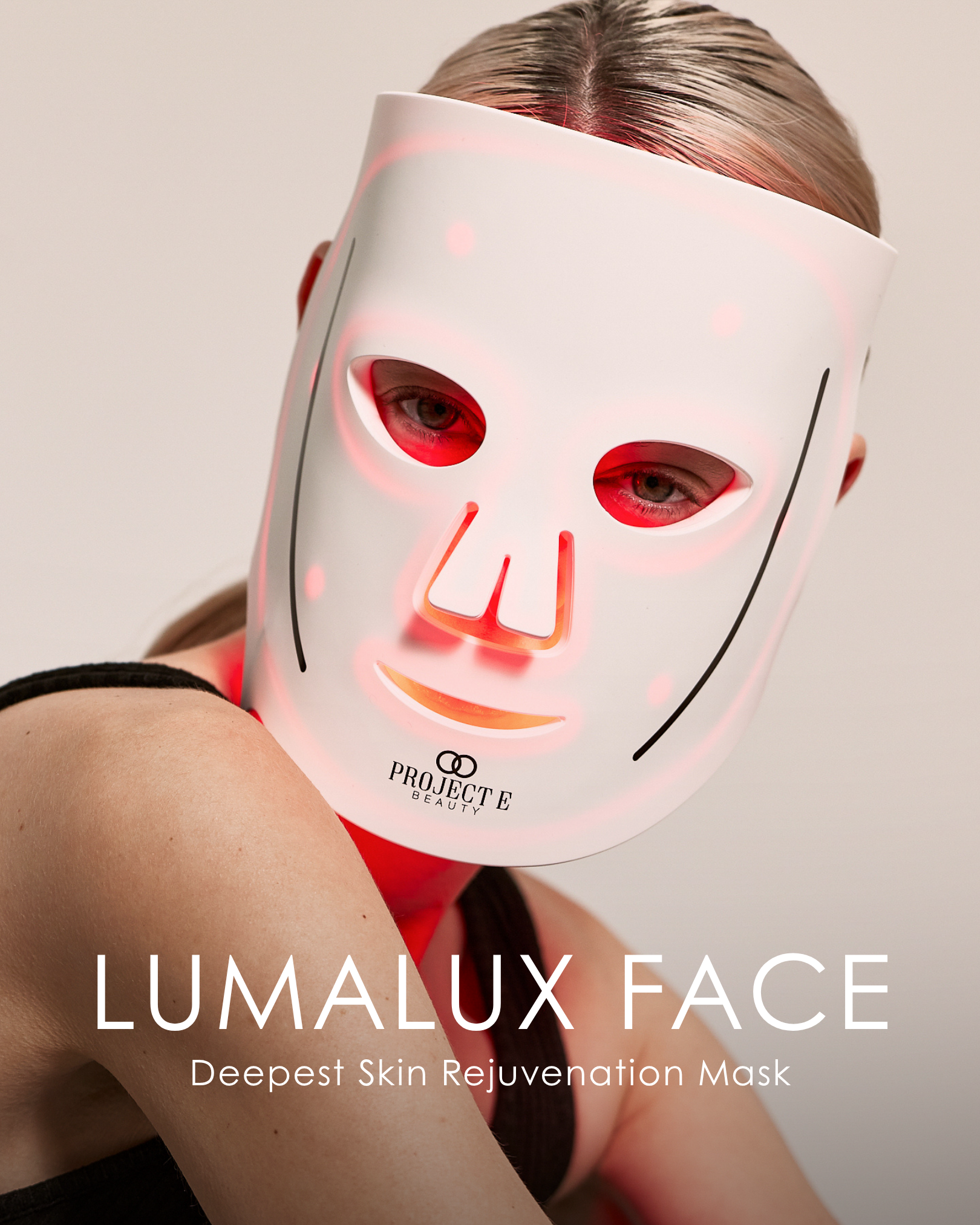
Studies have shown that red light therapy (RLT) offers several benefits, and yes, RLT can support athlete recovery. Whether you opt for in-clinic red light therapy treatments or use high quality at- home devices, such as Project E Beauty’s LumaLux Pro LED Red Light Therapy Mask, the LumaLux Dome or Alora Age Renewal LED Panel, users notice improved skin health, reduced inflammation, pain relief, and wound healing, among other health advantages. So, how exactly can RLT support athlete recovery?
Project E Beauty spoke to Harley Street’s Update Aesthetics expert, Nina Prisk, to understand the red light therapy benefits for sports injuries, and the connection between red light therapy and faster recovery.
What Is Red Light Therapy?
Red light therapy, formally known as photobiomodulation, is a non-invasive treatment. RLT delivers different light wavelengths, including red, blue and near-infrared light, into the skin to “stimulate cellular activity and support collagen production”, explains Prisk.
What Are the Benefits of Red Light Therapy on Sports Injuries?

With this in mind, red light therapy and recovery support for sports injuries go hand in hand. From muscle relief, inflammation, tissue repair to supporting athlete injuries, and the speed of recovery, the benefits of red light therapy for runners, cyclists, swimmers, yogis, and other athletes is vast.
However, we must stress that RLT for sports injuries should be considered as a supportive tool to be used alongside medical treatment and a professional’s rehab programme, rather than a replacement.
● Red light therapy for inflammation
Prisk asserts that RLT is “excellent for calming inflammation and lowering oxidative stress, which can help to reduce pain in sports injuries.” She explains: “Red light therapy can modulate inflammatory pathways through reducing pro-inflammatory cytokines, it improves blood flow and enhances mitochondrial repair, which helps shift tissue from a pro-inflammatory state to a healing state.”
● Red light therapy and muscle recovery
The connection between red light therapy and muscle recovery, as well as red light therapy and tissue recovery, are often questioned when discussing RLT benefits in sport settings. Thankfully for athletes, RLT supports both muscle and tissue recovery, according to Prisk. She shares: “RLT can enhance mitochondrial energy production, which means more efficient tissue repair. There is a possibility it may help reduce delayed onset muscle soreness.”
● Red light therapy and faster recovery
While there is limited research, Prisk believes there is “promising evidence” between red light therapy and faster recovery. She pinpoints a study, which highlights “a decline in muscle damage markers, soreness, and lactate (the fatigue markers).”
The professional also acknowledges that RLT can reduce inflammation, improve skin elasticity, which can positively impact an athlete’s recovery. She also notes that RLT can “improve circulation and cellular repair, which can help the injury heal faster and better over time.”
However, Prisk recognises that recovery time depends on the individual, their injury, the rehab plan, as well as lifestyle factors, such as sleep and diet.
The Best RLT Devices for Sports Recovery
Now we know the benefits of red light therapy and sports injuries, it’s time to find the best RLT device, especially for home use. For sports recovery, choosing a high-quality LED Light therapy device with specific wavelengths and safe for home use is crucial for efficacy and user safety.
Prisk explains: “Find a device that has the correct wavelength of around 600 to 900nm, has adequate power density and most importantly, use it consistently to see results.” Detailing the specific LED light therapy benefits, she adds: “Red light (600– to 700 nm) is best for skin and superficial tissue, near-infrared light (800 to 900 nm) is best for muscle, skeletal, joint pain and deep tissues, whereas blue light is best for acne and bacteria.”

These requirements can be found in Project E Beauty’s LumaLux Face Pro LED, LumaLux Dome and Alora Age Renewal LED Panel, which boast multi-wavelength LED systems, as they combine red (630nm), infrared (850nm), and deep infrared (1072nm), through different modes, and designs.
Prisk recommends targeted RLT devices, such as the LumaLux Face Pro LED, for “a more precise treatment” on isolated injuries. While panels, such as the LumaLux Dome and Alora Age Renewal LED Panel, “may be better for general recovery, muscle fatigue, and larger treatment areas”, adds Prisk.
Are There Side Effects to Using Red Light Therapy on Injuries?
While Prisk insists that RLT is “generally quite safe and low risk”, she acknowledges there can be side effects, such as “sensitivity of the skin and temporary inflammation.”
To avoid further injury, the Harley Street professional recommends athletes “start slow, and look out for any signs of irritation or inflammation after each use.”
How Frequently Should You Use Red Light Therapy on Injuries?

Those using red light therapy on sports injuries are advised to use consistently, but not to overdo it. Prisk recommends “starting with twice a week, and increasing to five times a week.”
The duration can vary between device, and the individual’s needs, but the LumaLux Face Pro LED, LumaLux Dome and Alora Age Renewal LED Panel can be used for up to 10 minutes per session.
Athletes can use red light therapy before and after exercise, thought the benefits are different. Prisk explains: “Using RLT before exercise may improve muscle performance and oxygen use, whereas after exercise, it may reduce soreness and aid in recovery.”
Who Should Avoid RLT on Injuries?
While red light therapy can aid athlete recovery, when it comes to certain sports injuries, caution must be taken. “Avoid using red light therapy on open wounds, on any active infections, suspected fractures or breaks, and cancerous lesions”, warns Prisk.
When we asked Prisk if RLT is safe to use on those with head injuries, she replied: “I would be cautious as there is not enough evidence out there to suggest red light therapy is beneficial for a head injury.”
Although Prisk claims there are emerging studies around the use of RLT for head injuries, she urges anyone with a head injury to seek urgent medical assistance and “not self-treat with red light therapy.”

Alora | Age Renewal LED Light Therapy Panel
Target up to 5 skin layers with advanced blue, infrared and red light therapy contour panel

LumaLux Dome | Face & Body LED Red Light Therapy Device
8 wavelength full body LED light therapy device for skin rejuvenation, fine lines, acne, muscle recovery and mood boost




Leave a comment
This site is protected by hCaptcha and the hCaptcha Privacy Policy and Terms of Service apply.