




How to Reduce Screen Fatigue from Working All Day on a Computer? Does Red Light Therapy Help?
- 01 What Are the Common Symptoms of Too Much Screen Time?
- 02 Can Red Light Therapy Help with Screen Fatigue?
- 03 The Science Behind Red Light Therapy
- 04 What About Tech Neck?
- 05 Conclusion
- 06 Frequently Asked Questions
It's difficult to remember a time when screens weren't central to almost everything we do – from work and education to online banking and shopping. The journey from paper to pixels has transformed our lives rapidly, but the impact on our eyes, sleep, posture and attention spans crept in far more quietly.
If you've come across claims that red light therapy can be used to relieve digital eye strain or screen fatigue, we recommend you check your sources. Although researchers are investigating photobiomodulation as a potential treatment for age-related vision decline in clinical settings, there’s no evidence to recommend LED light therapy for screen fatigue. But that’s not to say red light therapy doesn’t have a place in your digital detox…
What Are the Common Symptoms of Too Much Screen Time?

Spending hours looking at screens can lead to digital eye strain, also known as computer vision syndrome (CVS). This condition describes a collection of symptoms that develop after prolonged computer, tablet or smartphone use. One of the main reasons is that we blink far less when using digital devices. Normally we blink around 15–20 times per minute, but this can fall by as much as half during prolonged screen use, allowing the tear film to evaporate more quickly. Combined with hours of close-up focusing and artificial light glare, it's easy to see why people are searching for solutions.
The good news: digital eye strain is usually temporary and preventable with healthy screen habits. The 20-20-20 rule advises you to look at something 20 feet away from you for twenty seconds after every twenty minutes you spend looking at a screen. Other good practices include:
-
- Taking regular breaks away from your desk
- Setting up your workspace at a comfortable distance
- Reducing the screen glare from your device
- Keeping your eyes lubricated – blinking often or using eye drops if they feel dry
- Swapping bedtime phone scrolling for a relaxing LED mask session
Can Red Light Therapy Help with Screen Fatigue?
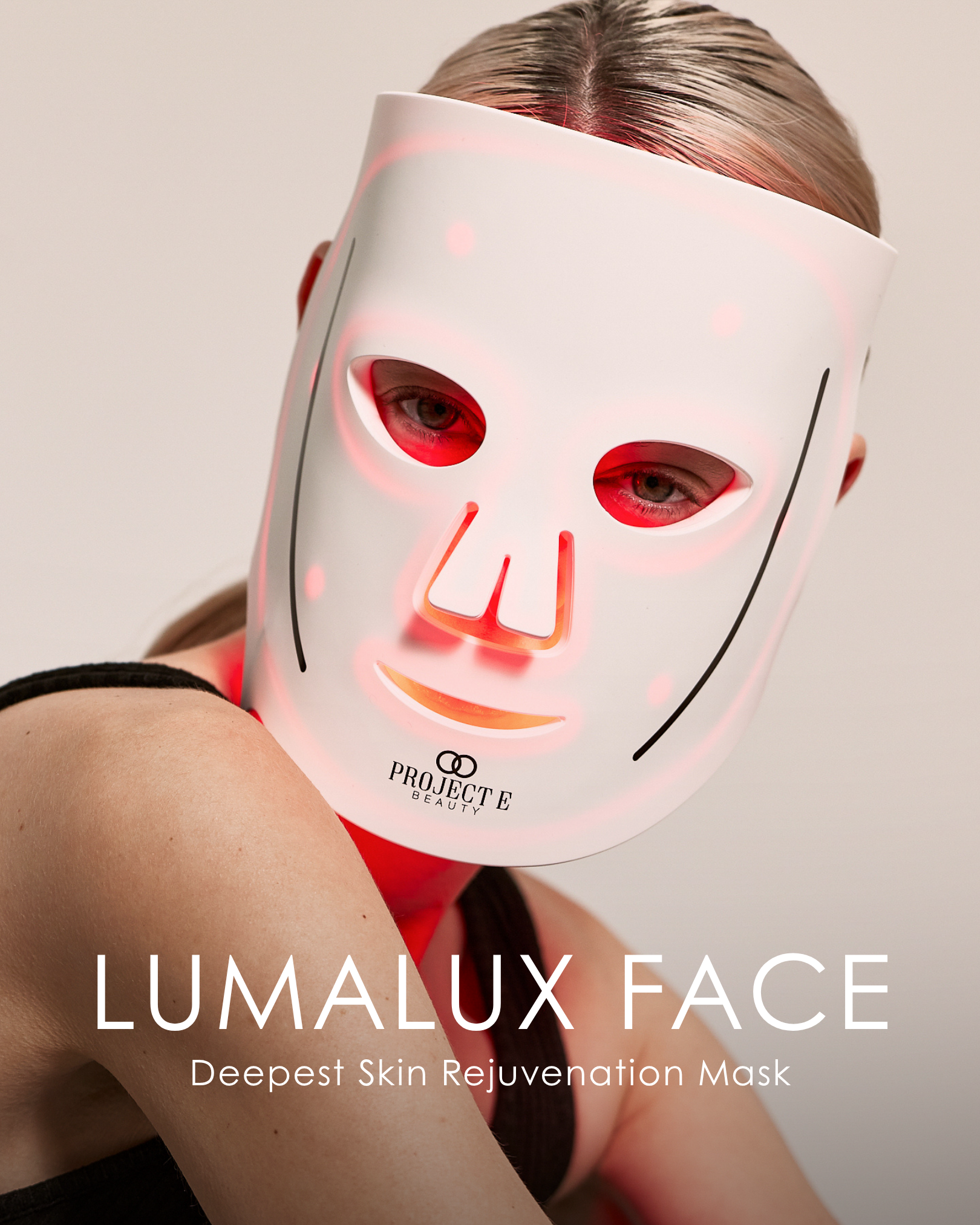
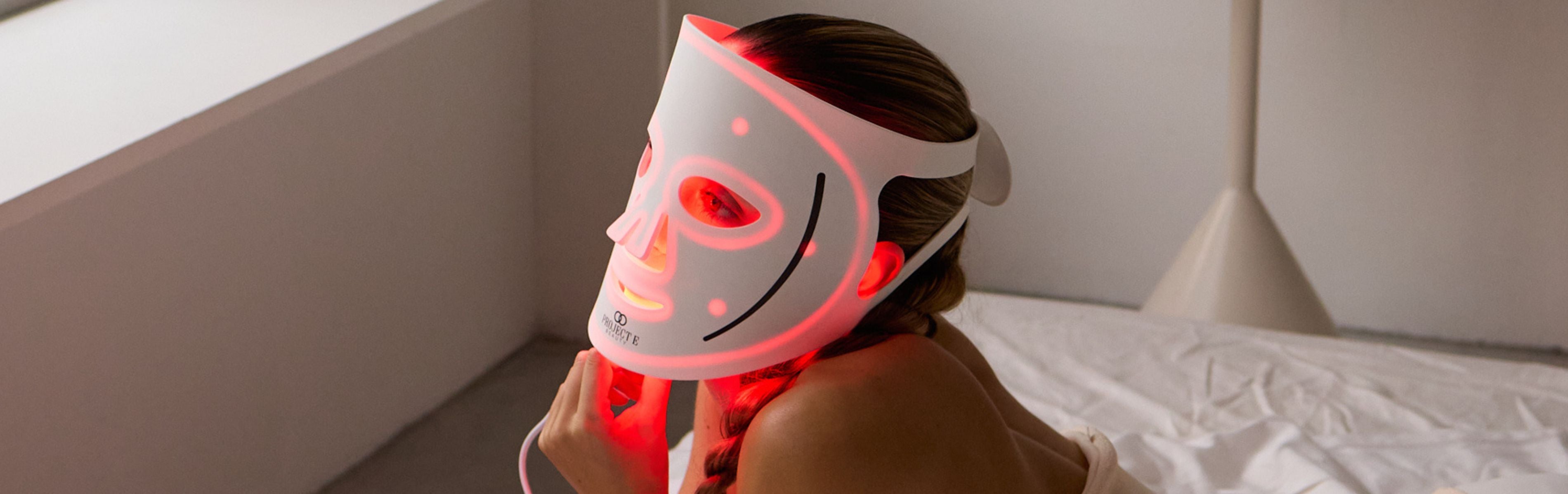
One overlooked benefit of LED light therapy and digital detox is behavioural rather than biological. Applying your mask before bed enforces a break from screen time and reduces exposure to blue light before sleep. This is important because blue light has been shown to suppress melatonin in some people, the hormone that helps regulate your sleep-wake cycle. The cognitive stimulation of scrolling can also leave your brain feeling more alert. Our LumaLux Face Pro LED Red Light Therapy Mask is made with a flexible silicone that moulds to the contours of your face, making it comfortable enough to wear while winding down for bed. Many people consider red light therapy an integral part of their wellness routine.
The Science Behind Red Light Therapy
While red light therapy isn't currently supported as a treatment for digital eye fatigue caused by excessive screen time, it is well researched in skincare. So if you're already building healthier evening habits away from your phone, here's where LED light therapy may genuinely benefit you.

Red light therapy uses specific wavelengths of red and near-infrared light to stimulate the mitochondria found in every skin cell. These mitochondria are responsible for producing cellular energy (ATP), thought to support normal repair processes within the skin, contributing to improvements in skin appearance over time. While there’s still plenty of research to be done on the complexities of red light therapy, some clinical studies suggest that certain wavelengths of red and near-infrared can help reduce the appearance of wrinkles, improve skin elasticity, and support collagen production.
The bestselling LumaLux Face offers multi-wavelength technology via eight unique treatment modes, harnessing clinically studied light wavelengths – including red (630nm), infrared (850nm) and deep infrared (1072nm) – to support full skin rejuvenation in quick and convenient three-minute sessions.
What About Tech Neck?
Alongside managing screen time and taking regular movement breaks, it's also worth paying attention to your posture. While “tech neck” isn't an official medical diagnosis, it's widely used to refer to neck pain, stiffness and related symptoms caused or worsened by spending long periods looking down at phones, tablets, laptops or other digital devices. And it doesn't just affect the muscles and joints; it can also contribute to premature skin ageing in the neck area. While ageing, genetics, sun exposure, smoking and lifestyle are the primary drivers of collagen and elastin loss, it’s thought that repeatedly creasing the skin on your neck may make existing laxity and wrinkles even more apparent.

Our LumaLux Face+ Face & Neck Mask delivers rejuvenating wavelengths to both the face and neck, and if you already own a face mask, you can buy the LumaLux Neck & Dec to treat your neck alone. Another good option for more flexible delivery of rejuvenating red light is our dome-shaped LumaLux Dome Face & Body LED Red Light Therapy Device. It suits people who find masks a little claustrophobic, and who want the flexibility of being able to treat any part of their body: face, neck, legs – you name it.
Conclusion
If your goal is to reduce screen fatigue, the best-supported strategies remain taking regular breaks, blinking more often, adjusting your workstation and limiting evening screen time. Red light therapy and eye strain may be an area of future research, but today's evidence simply doesn't support it. Where red light therapy does have stronger scientific backing is skincare – making it an excellent addition to an evening routine that also happens to encourage a healthier digital detox.
Frequently Asked Questions
Can red light therapy actually cure screen fatigue?
Not exactly, but it is a powerful recovery tool. Screen fatigue is caused by daily habits—like staring at a fixed distance and forgetting to blink. RLT can't change your workload, but it can reverse the daily damage. By boosting circulation and lowering cellular inflammation, it acts like a nightly reset button for tired eye muscles.
Will using it at night ruin your sleep like a laptop screen?
Quite the opposite! Unlike blue light, which tricks your brain into thinking it's noon, red light mimics the low color temperature of a sunset. It won't suppress your melatonin or ruin your sleep cycle. In fact, a 10-minute session is the perfect way to signal to your body that it’s time to wind down.

Alora | Age Renewal LED Light Therapy Panel
Target up to 5 skin layers with advanced blue, infrared and red light therapy contour panel

LumaLux Face+ | Pro LED Red Light Therapy Face & Neck Mask
Red, infrared, deep infrared for fine lines, blemishes, and hyperpigmentation, dryness




Leave a comment
This site is protected by hCaptcha and the hCaptcha Privacy Policy and Terms of Service apply.