



Cosmetic injectables vs Red Light Therapy: Which is the best treatment to prevent wrinkles?
While injectables may be a quick fix, RLT offers a long-term solution
- 01 What are cosmetic injectables
- 02 What are the different types of anti-aging injectables?
- 03 When to consider injectables?
- 04 What dosage, and how frequent should you have injectables?
- 05 What is Red Light Therapy?
- 06 Can you undergo RLT if you have injectables?
- 07 Can red light therapy speed up healing time?
- 08 Can red light therapy prolong results of injectables?
- 09 Can RLT undo injectables?
- 10 RLT Vs Injectables: Which is the better anti-aging treatment?
- 11 Alternative anti-aging treatments
- 12 Frequently Asked Questions
Studies claim aestheticians are receiving fewer requests for cosmetic injectables to reduce the appearance of fine lines and wrinkles. Instead, patients are embracing their natural beauty, and turning to less-invasive cosmetic treatments, such as Red Light Therapy (RLT), lymphatic drainage and PDRN-infused skincare.

Project E Beauty spoke to Mr. Hasaneen Al Janabli, the founder of Dr. Hass Clinic and lead injector, to understand which anti-aging injectables are commonly requested, the recommended dosage, frequency, and if red light therapy is an effective alternative.
What are cosmetic injectables
The renowned Harley Street doctor describes cosmetic injectables as “non-surgical treatments that are injected into the skin, or underlying tissues, to improve signs of ageing, restore volume, enhance facial contours, and skin quality.”
According to Janabli, the most common cosmetic injectables are “anti-wrinkle injections or Botulinum Toxin, dermal fillers, skin boosters, and polynucleotide treatments.” The expert emphasises that “injectables should enhance your natural features rather than dramatically change your appearance.”
What are the different types of anti-aging injectables?
There is often the assumption that injectables are either Botulinum Toxin or dermal fillers, but there are other injectables that can address different signs of aging. Depending on your skin type, needs and budget, the industry professional suggests combining treatments for better results. However, it is paramount patients book a treatment with a qualified and trained professional.
- Anti-wrinkle injections: “These relax specific facial muscles that create dynamic wrinkles, such as forehead lines, frown lines, and crow’s feet, as well as expression lines. They can also help prevent anti-wrinkle injections from becoming deeper over time."
- Dermal fillers: “Typically formulated with hyaluronic acid, and aim to restore volume that has been lost with age, support sagging tissues, and improve facial contours.”
- Skin boosters: “Boosters often contain hyaluronic acid, but are designed to improve hydration, elasticity, and overall skin quality, rather than add volume. Best for those with crepey skin, fine lines, and dullness.”
-
Polynucleotides: “A regenerative injectable that improves tissue repair, collagen production, skin quality, and under-eye rejuvenation.”
When to consider injectables?
In England, it is against the law for anyone under 18 to be injected with Botulinum Toxin, while some clinics have an age limit of 21. As long as you are over the legal age, anyone can undergo anti-aging injectables.
However, the founder advises patients to wait until they “first spot signs of ageing on themselves, rather than following a trend or what someone else does.” He continues: “The decision should be based on your anatomy, skin quality, genetics, and personal goals, rather than age alone.”
What dosage, and how frequent should you have injectables?
Janabli claims “there is no universal dosage for injections”, and each treatment is tailored to each individual, their concerns and desired outcome. He explains: “For anti-wrinkle injections, the dose depends on factors such as muscle strength, treatment area, gender, and desired outcome.” This treatment can be repeated “every three to four months”, adds the expert.

Similarly, the dose for dermal fillers depends on “the degree of volume loss and the areas being treated”, though the results can last from six months to two years, shares Janabli.
However, skin boosters and polynucleotides are different. The industry expert highlights: “These are usually performed as a course of treatments, often two to three sessions spaced a few weeks apart, followed by maintenance treatments every six to twelve months.”
What is Red Light Therapy?
Red light therapy (RLT), formally known as photobiomodulation, is a non-invasive treatment that uses different light wavelengths, including red, infrared, and deep light. These wavelengths are absorbed by the skin’s cells, which stimulates cellular energy production (ATP) and kickstarts the body’s natural healing processes.
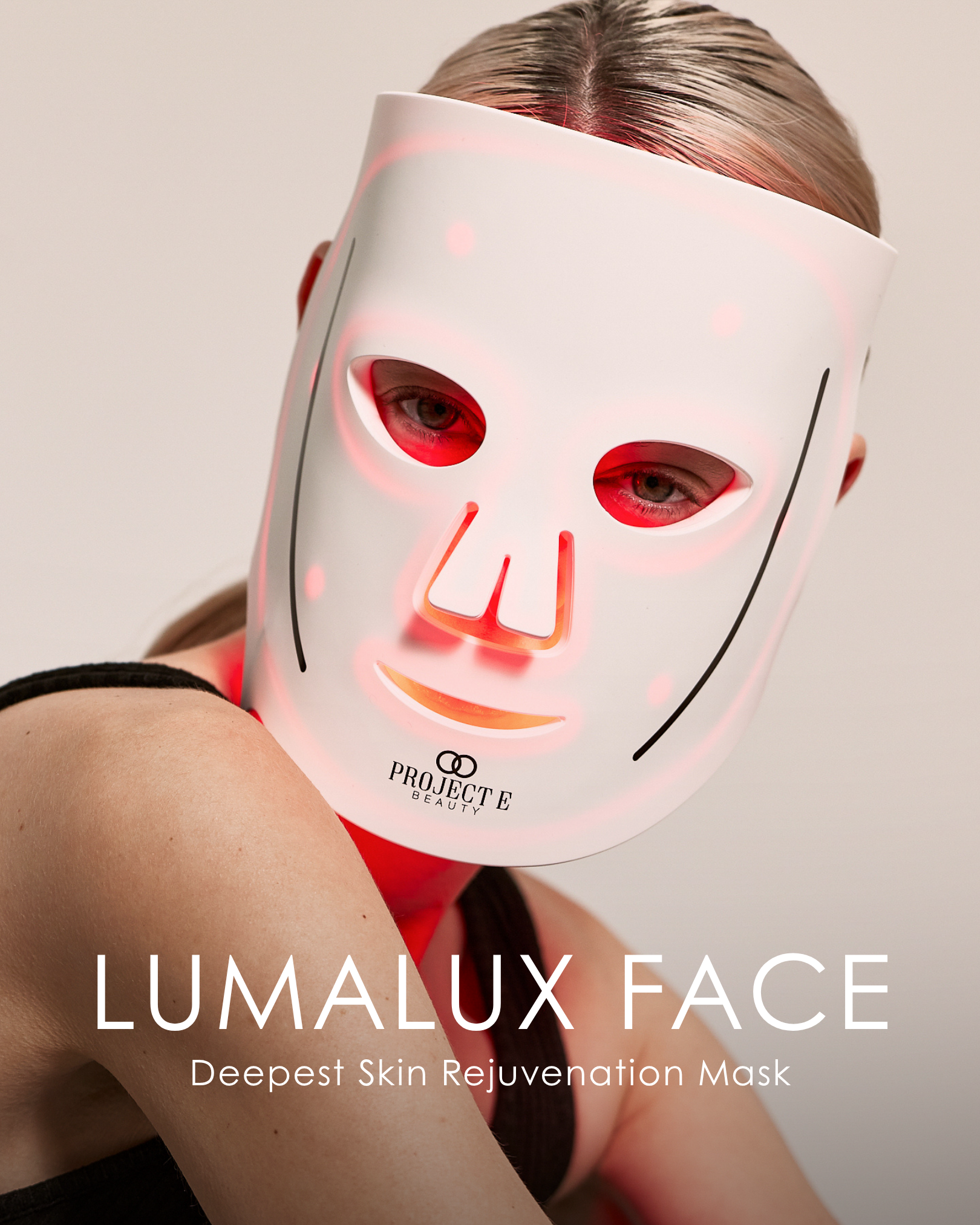
Red light therapy benefits span from boosting collagen production, reducing inflammation, treating blemishes, and reducing the signs of ageing, to wound healing, pain relief, sleep as well as mental health support. While RLT can be carried out in a professional clinic, or using FDA-approved LED devices, such as Project E Beauty’s Alora Age Renewal LED Panel, LumaLux Dome, LumaLux Pro LED Red Light Therapy Mask, LumaLux Face+ Face and Neck mask, and LumaLux Neck and Dec.
Can you undergo RLT if you have injectables?
Janabli reassures us patients can use RLT after injectable treatments. However, “as a precaution”, he advises patients to “wait 48 hours after anti-wrinkle injections or dermal fillers before using an at-home red light device, particularly if there is swelling, tenderness, or bruising.”
If you are unsure, please seek medical advice from a trusted clinician.
Can red light therapy speed up healing time?
Janabli acknowledges that RLT benefits include wound healing, tissue repair and reducing inflammation, but more research is needed on this topic. He shares: “Many practitioners like to use red light therapy after treatments because it may help minimise redness, inflammation, swelling and support the skin's natural healing processes. However, it should be viewed as a supportive treatment rather than a substitute for proper aftercare.”
Can red light therapy prolong results of injectables?
Janabli recognises that RLT can improve skin health, but he highlights there is “no strong evidence that RLT significantly extends the lifespan of anti-wrinkle injections or dermal fillers.”
Can RLT undo injectables?
There is a concern that RLT could impact some cosmetic treatments, but Janabli reassures us that is not the case. The expert affirms: “Red light therapy does not dissolve dermal fillers, and does not reverse the effects of anti-wrinkle injections. The only reliable way to dissolve hyaluronic acid fillers is with an enzyme called hyaluronidase administered by a qualified medical professional.”
RLT Vs Injectables: Which is the better anti-aging treatment?
Mr. Janabli highlights that RLT and injectables are entirely separate entities that function in different ways and deliver different results. He clarifies: “If your goal is to treat established expression wrinkles quickly, injectables are generally the most effective option. Red light therapy can improve skin quality, support collagen production, and help reduce the appearance of fine lines over time, but it will not relax facial muscles in the same way as anti-wrinkle injections.”
However, customers who use Project E Beauty’s Alora Age Renewal LED Panel, LumaLux Dome, LumaLux Pro LED Red Light Therapy Mask, LumaLux Face+ Face and Neck mask, or LumaLux Neck and Dec consistently, have noticed visible improvements in their skin tone and texture.
Alternative anti-aging treatments
If you want to reduce the appearance of fine lines, wrinkles, and brown spots, but avoid injectables, Janabli recommends microneedling, polynucleotides, laser-based treatments, skin-tightening and collagen-stimulating treatments, or chemical peels.

Alternatively, there are plenty of at-home solutions, such as using an FDA-approved RLT device, such as the Alora Age Renewal LED Panel, LumaLux Dome, LumaLux Pro LED Red Light Therapy Mask, LumaLux Face+ Face and Neck mask, and LumaLux Neck and Dec.
The skincare professional also recommends “medical-grade skincare, such as retinoids and antioxidants, managing sun exposure and use SPF daily.” He also champions healthy lifestyle changes: “Get adequate sleep, avoid smoking, and stay hydrated.”
Ultimately, Janabli believes “the most successful anti-aging plans are usually holistic and combine skincare, lifestyle measures, and carefully selected aesthetic treatments.”
Frequently Asked Questions
How often should I use Red light Therapy?
For at-home devices, consistency is what matters most. You should aim to use your device three to five times a week. Using it multiple times a day will not speed up your results, because once your cells reach their energy capacity, they simply block further absorption of the light
Do I need to wear eye protection?
Standard red light is very bright but generally safe for the eyes. However, because near-infrared light is invisible and penetrates very deeply, you should never stare directly into the LEDs. Though all of Project E Beauty Red light Devices come with their own eye protection.
Can I use my skincare products before using the light?
It is always best to use red light therapy on clean, bare skin. Many skincare ingredients, heavy moisturizers, and sunscreens can physically block or scatter the light waves before they reach your cells.

LumaLux Face | Pro LED Red Light Therapy Mask
Our most advanced LED mask for deeper skin renewal - fine lines, acne, hyperpigmentation, skin texture

LumaLux Dome | Face & Body LED Red Light Therapy Device
8 wavelength full body LED light therapy device for skin rejuvenation, fine lines, acne, muscle recovery and mood boost





Leave a comment
This site is protected by hCaptcha and the hCaptcha Privacy Policy and Terms of Service apply.